
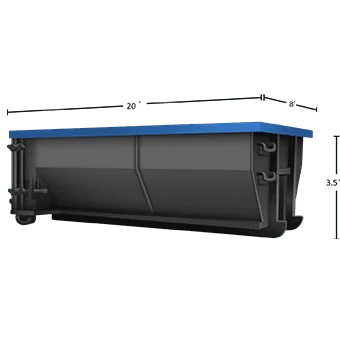
Start with the material, then the container
Tell the rental contact the type of debris and whether it is mixed or separated. Household contents, renovation material and dense debris can lead to different container and disposal requirements. Do not select only by how large the container looks.
Ask which items are accepted and which must stay out. Identify liquids, chemicals, batteries, appliances or other uncertain items before loading them, rather than assuming a general dumpster takes every material from a property.
Describe the amount and how it will be loaded
Explain the job and the approximate material quantity as clearly as possible. If you are unsure, describe the rooms, work or debris involved so the appropriate options can be discussed. Ask about the actual container dimensions and loading limits offered.
Keep the contents within the provider’s agreed limits. Dense materials can affect the permitted load even when unused space remains. Do not add material after a full-load instruction or collection arrangement without checking with the rental contact.
Include transport and collection in the hire
Provide the exact address and a proposed position that the delivery and collection vehicle can reach. Discuss the surface, access and any property requirements before confirming. Keep the container’s loading area separate from toilet approaches and ordinary guest circulation.
Ask how pickup is requested, what an exchange involves if more capacity is needed and how an extension is handled. A finished cleanup does not automatically notify the supplier that the container is ready.
Get an itemized dumpster quote
Review the container, rental period, transport, disposal basis, accepted materials and terms for additional time or a load outside the agreement. Make any property responsibilities clear.
Use Call Now — Dumpster or select Dumpster Rental in Get a Quote. This keeps debris and container details distinct from a portable-restroom enquiry.